Compress an Image to an Exact Size: 20KB, 50KB, 100KB
Most people search for an image compressor because a form refused their file. An exam application caps a photo at 20KB, a job portal wants a scanned signature under 50KB, a government portal allows 100KB, and email attachments break past a few megabytes. The requirement is a number, so the job is not 'make it smaller' - it is compress an image to 50kb, or 20kb, or 100kb, while the photo stays recognisable and the signature stays readable. That means picking a target, choosing the right format, and checking the result instead of guessing.
Why you usually need an exact file size
Almost nobody compresses an image for fun. They compress because a portal would not accept the upload. Government and exam forms, visa applications, university admissions and job portals all publish hard limits: photo maximum 20KB, signature between 10KB and 50KB, document scan under 100KB or 200KB. Some also state pixel dimensions.
Email and messaging add a second set of limits. A 4MB phone photo is fine on most mail servers, but a folder of scans is not, and WhatsApp compresses photos automatically while leaving document uploads close to their original size. A file that is 60KB is rejected by a 50KB field just as firmly as one that is 6MB.
How to compress an image to a target size
There are three levers and one check. Using them in the right order saves a lot of trial and error.
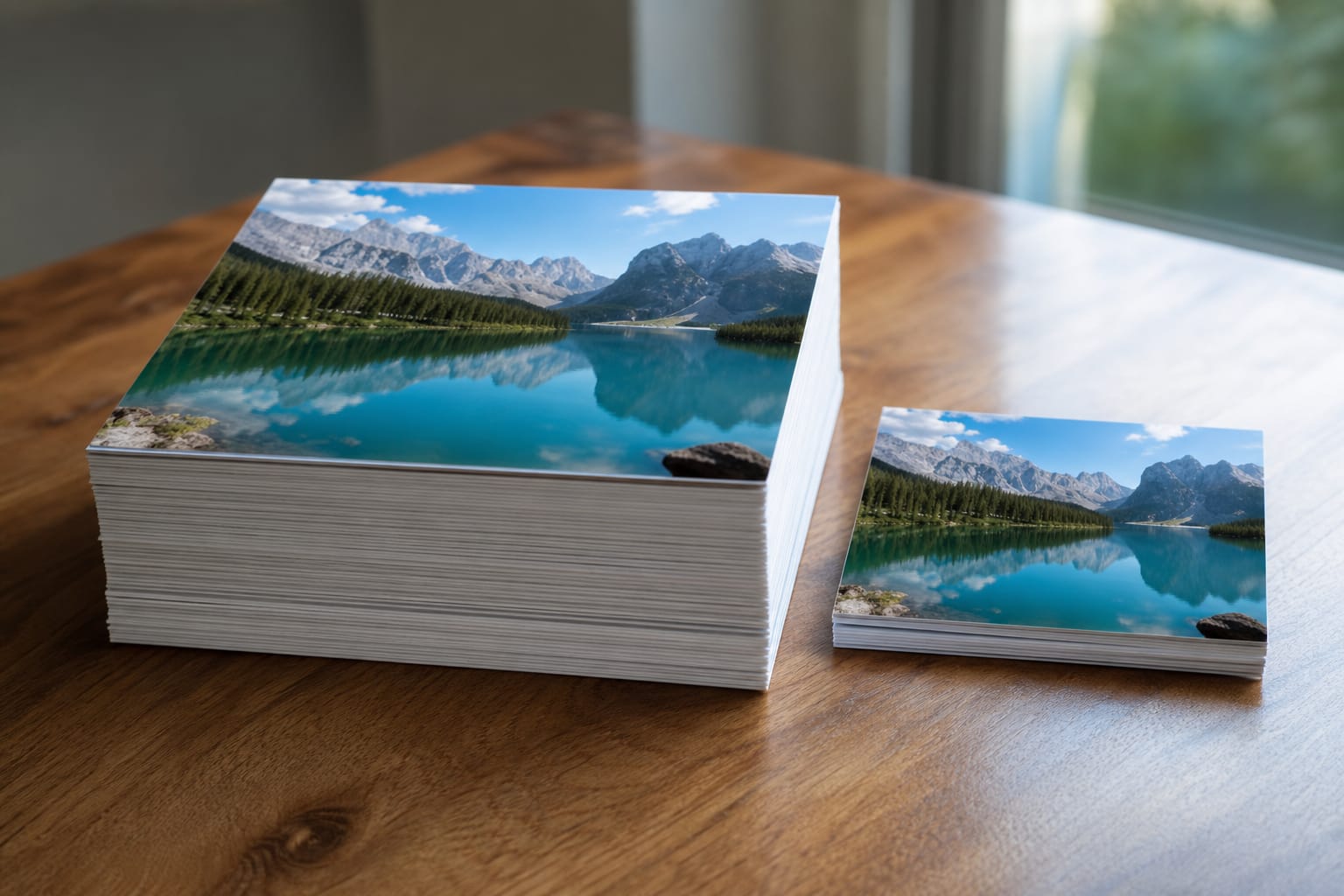
Dimensions come first. File size scales roughly with the number of pixels, so shrinking a 4000x3000 phone photo to 1200x900 strips most of the weight before any compression happens. A form photo or signature rarely needs more than 200 to 600 pixels on the long edge. Resizing is the cheapest saving available and the one people skip.
Format second. JPG suits photographs and phone scans and is accepted almost everywhere. WebP gives a smaller file at the same visible quality and works in every current browser, but older government portals still reject the extension. PNG is lossless, which is why a screenshot saved as PNG can be several times heavier than the same screenshot saved as JPG.
Quality last. Once dimensions and format are settled, quality is a fine adjustment. For photos, 80 to 85 looks identical to the original; 60 to 70 is where soft edges and blocky skin tones appear; below 50 you are trading real detail for kilobytes.
Then check and repeat. Download, read the reported size, and if you are over, drop the dimensions one step or lower quality by ten. Two passes gets you under any realistic cap. On Tools2Easy the compressor runs in your browser, so the file is processed on your own device and never uploaded - useful when the image is an ID card or a signature. No account, no install, no watermark.
Common size targets and what to expect
20KB is the tightest target you will meet. Exam forms and some visa portals ask for a photo under 20KB, and at that size you are working with a small image: roughly 200 to 350 pixels on the long edge, saved as JPG at medium quality. Expect visible compression - blocked skin tones, soft detail. That is normal and accepted, because a razor-sharp 20KB photo does not exist at useful dimensions. Keep the face filling the frame and avoid busy backgrounds. PNG will not get you there at any quality setting.
50KB covers scanned signatures, profile thumbnails and many job portal photo fields. A 400 to 600 pixel JPG at quality 70 to 80 usually lands between 30KB and 60KB, so one small adjustment puts you under the line. If your signature was saved as PNG, converting to JPG is often the single biggest saving available.
100KB is the most common government limit for a photo and a comfortable zone for a passport-style image: 600 pixels on the long edge, JPG, quality 80. Quality loss is mild and most people cannot tell the compressed version from the original on screen. WebP at quality 75 reaches the same 100KB with better detail, if the portal accepts it.
200KB suits application photos, ID document scans and profile pictures where legibility matters. At 800 to 1000 pixels, JPG quality 85, text on a scanned card stays clean and readable.
500KB works for document photographs, product images and email attachments that need real detail. A 1200 to 1600 pixel JPG at quality 85 to 90 fits comfortably, and text-heavy scans compress further than photos, because flat areas give the encoder less to store.
1MB is rarely a hard requirement - usually the ceiling a form sets for a document scan or portfolio image. At that level you barely need to compress: a 2000 pixel JPG at quality 90 typically lands under 1MB and a WebP version can be half that with no visible difference. If your file is already under 1MB, resize only to speed up the upload.
Two things surprise people. PNG screenshots and logos compress poorly - a flat-colour screenshot may refuse to drop below a few hundred kilobytes whatever quality you choose, because PNG stores every pixel exactly; convert to JPG or WebP and the size collapses. And targets under 20KB always cost visible quality and smaller dimensions. No setting keeps a full-resolution photo sharp at 15KB, and a tool that promises otherwise is shrinking your image quietly.
Frequently asked questions
Can I compress an image to exactly 20KB?
You can get under 20KB and usually within a kilobyte or two of it, by reducing dimensions and quality in small steps. No tool hits an exact byte count in one click, because the final size depends on the content of your image. Aim slightly below the cap - 18KB or 19KB for a 20KB limit - so the form cannot reject it.
Is an online image compressor safe for ID photos and signatures?
It is safe when the file is never uploaded. Tools2Easy compresses inside your browser, so the image is processed on your own device and no copy is sent to a server. If a site asks you to upload a document to compress it, you are trusting that server with your ID.
Do I need an account or an app to reduce image size?
No. There is no signup, no installation and no watermark. Open the compressor, choose your file, set the target, download the result. It works the same on a phone browser and a desktop, so you can compress an image to 50KB straight from a form page on mobile.
Why is my PNG still large after compressing?
PNG is lossless, so quality settings barely change its size - the real levers are pixel dimensions and converting to JPG or WebP. Screenshots, logos and flat-colour graphics are the usual offenders. Convert PNG to JPG first, then compress to your target size.
Try it now
Open the free image compressor, drop in your photo, signature or scan, and set the target size you need. If the form gave pixel dimensions instead of a file size, use the image resizer first and compress afterwards - and if your file is a PNG screenshot, convert it to JPG so the size actually moves. No account, no install, and nothing leaves your browser.
Compress your image to 20KB, 50KB or 100KB in seconds - free, in your browser, nothing uploaded.
Use the free tool