
Sketch to Image
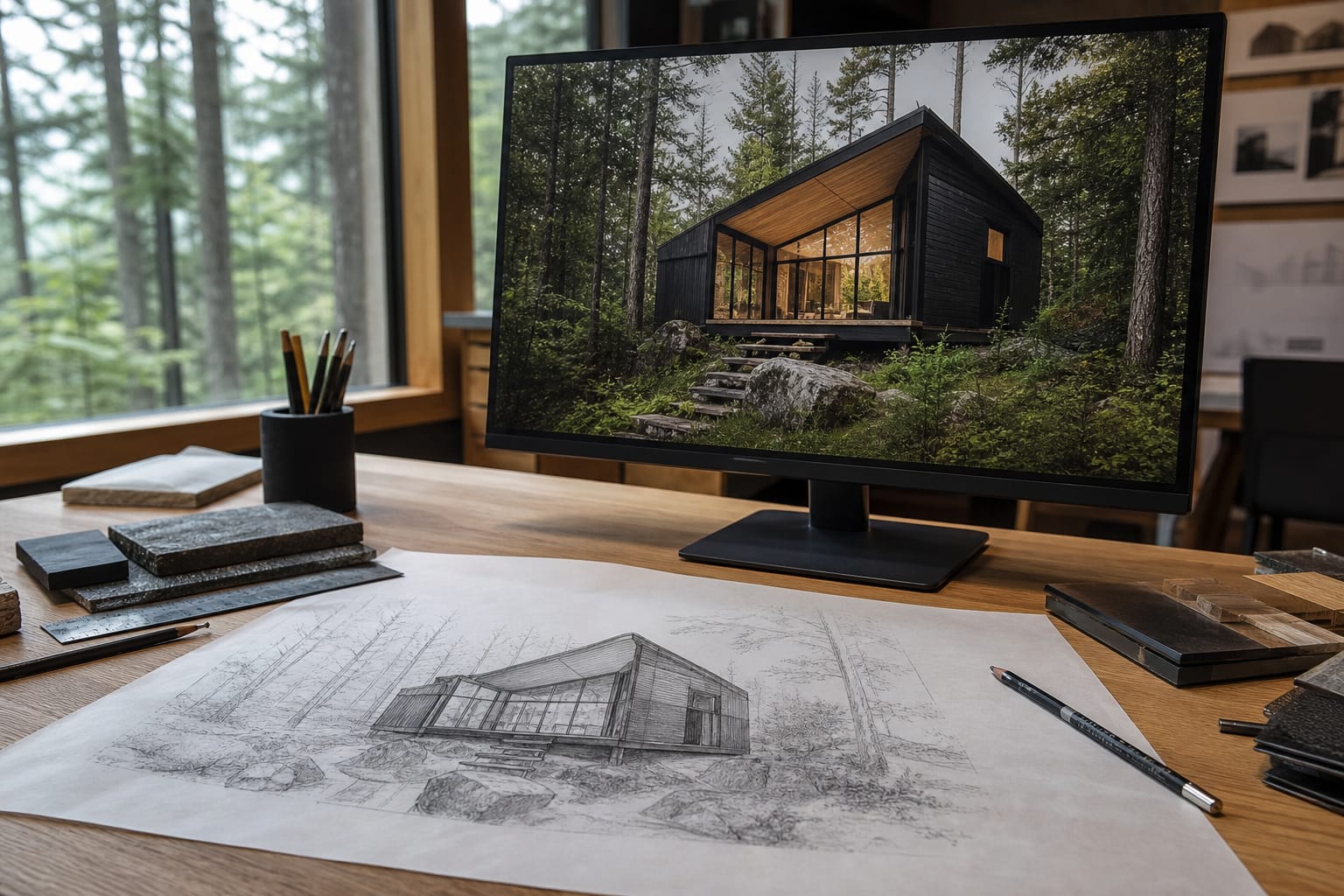
ProDraw on a canvas or upload a sketch, pick a style, and turn it into a finished image.
Checking sign-in…
Showcase
What Sketch to Image is for
Draw on a canvas or upload a sketch, pick a style, and turn it into a finished image.
- Draw on a canvas or upload a sketch, pick a style, and turn it into a finished image.
- Photo-ready output for web, social, and design work
- Browser processing keeps files on your device whenever the tool runs locally
How to use Sketch to Image
Turn a drawing — on the canvas or uploaded — into a finished image.
Draw or upload
Sketch on the pad, or drop a photo of a drawing
Pick a style
Photoreal, watercolor, anime, and more
Generate
The drawing’s composition is preserved
Save
Download the finished image
FAQs
Answers to the questions people ask most about privacy, quality, limits, and Sketch to Image.
Sketch to Image is a premium tool. It runs with credits after you sign in — free browser tools on Tools2Easy do not require credits.
For this tool, processing stays on your device in the browser. Files are not uploaded to Tools2Easy servers, so there is nothing for us to store or delete later. Close the tab when you are done if you want the in-memory preview cleared.
Sign in is required for premium tools that use credits. No desktop install — everything runs in the browser.
It depends on the settings. Lossy formats (like JPG/WebP) and compress tools trade some detail for a smaller file — use the quality controls when shown, and preview before you download. Lossless options (like PNG) keep full detail when available.
Accepted types for Sketch to Image are listed in the upload area. Most browser tools work best under about 100 MB; very large files may fail or run slowly because your device does the work.
Yes, in modern mobile browsers (Chrome, Safari, Firefox, Edge). Large PDFs, images, or videos can be slower on phones because processing uses your device memory and CPU.
Browser tools depend on your device and file size — not a remote server queue. Close extra tabs, try a smaller file, or use a desktop browser if a large job stalls. If the tab crashes, the file was likely too heavy for available memory.
Yes. Results show in the workspace first. Download only when you are happy with the output. Use Compare on image/video results when you want to check against the original.
Most image tools accept JPG, PNG, WebP, and GIF. Some also support HEIC/HEIF from iPhones. Exact accept types appear on the upload control for each tool.
Re-encoding in the browser (convert, compress, resize) often drops or rewrites metadata because the image is redrawn to a canvas. Do not rely on Tools2Easy to preserve GPS or camera EXIF if you need it — keep an original copy.
Many image tools allow multiple uploads (limits are shown in the workspace). Each file is processed on your device, so batches of large photos may take longer.
JPG is smaller for photos, PNG keeps sharp edges and transparency, WebP is often smaller for the web, and PDF is best for documents or print packs. Use the dedicated converter when you already know the target format.