
AI Video Stabilizer
ProRemove camera shake and stabilize shaky footage.
Checking sign-in…
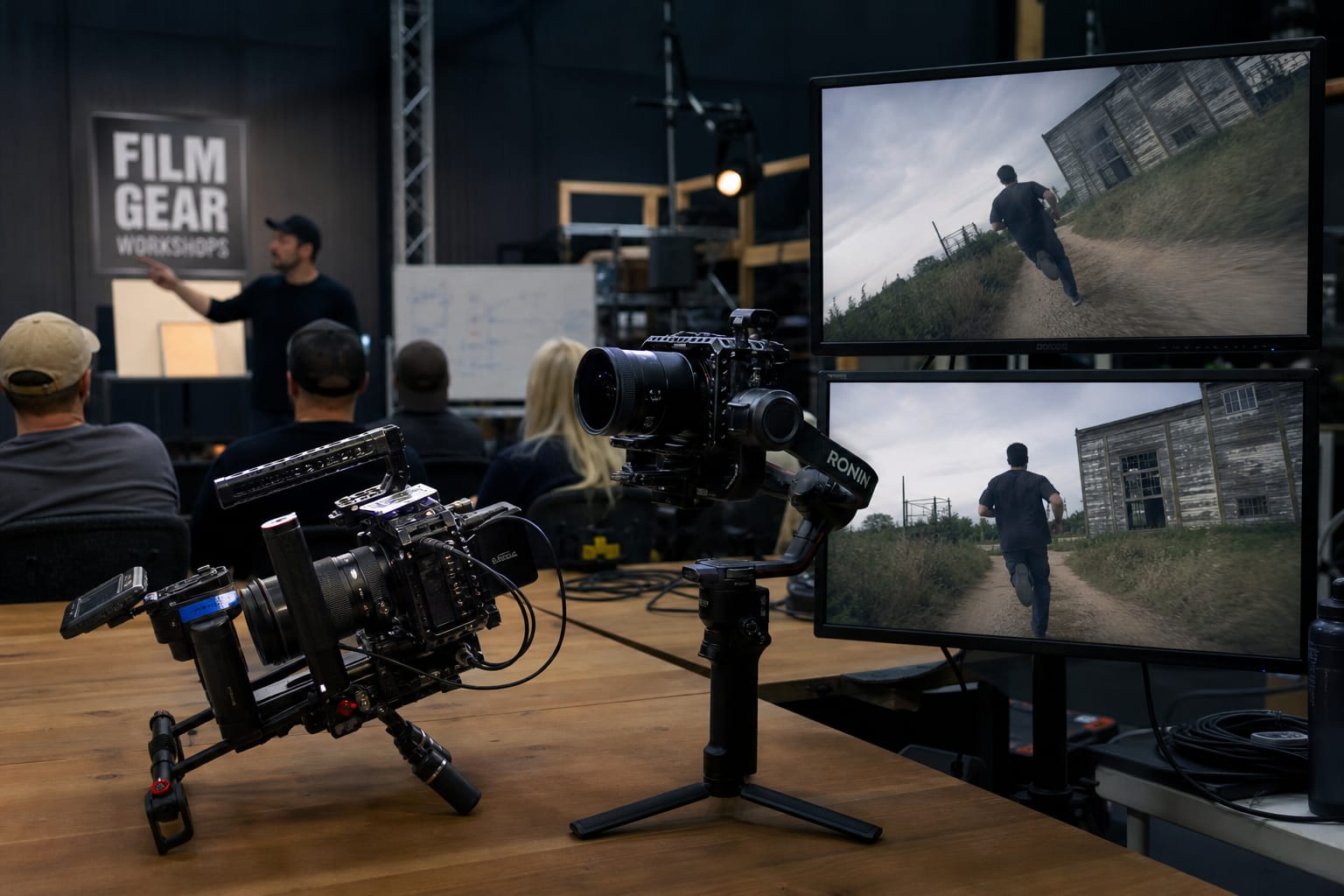
Showcase
What AI Video Stabilizer is for
Remove camera shake and stabilize shaky footage.
- Remove camera shake and stabilize shaky footage.
- Built for creators editing clips for social and production
- Premium tool—signed-in processing when available; results appear in the workspace
How to use AI Video Stabilizer
Calm shaky handheld or action footage without reshooting.
Add your file
Drop or choose a file in the workspace
Adjust options
Tune settings until the job matches what you need
Process
Run the tool and wait for the result to appear
Preview & save
Check the output, then download when you are happy
FAQs
Answers to the questions people ask most about privacy, quality, limits, and AI Video Stabilizer.
AI Video Stabilizer is a premium tool. It runs with credits after you sign in — free browser tools on Tools2Easy do not require credits.
When premium features go live, processing may use our secure servers. Prefer free browser tools for maximum privacy if you need everything fully offline on-device.
Sign in is required for premium tools that use credits. No desktop install — everything runs in the browser.
When available, preview the result before you download. Quality controls will be shown in the workspace.
Accepted types for AI Video Stabilizer are listed in the upload area. Most browser tools work best under about 100 MB; very large files may fail or run slowly because your device does the work.
Yes, in modern mobile browsers (Chrome, Safari, Firefox, Edge). Large PDFs, images, or videos can be slower on phones because processing uses your device memory and CPU.
Premium tools depend on server capacity and your connection — larger files take longer.
Preview will appear in the workspace once this tool opens.
MP4 (H.264) is the most reliable. Other formats may work depending on codecs. Check the upload hint for this tool.
Premium video tools depend on upload size and server capacity once enabled.
Premium video tools may process on our servers. Prefer free local tools (trim, screenshot) for private footage when available.
Behavior details will be available when the tool opens.